
Skin boosters are minimally invasive injectable treatments designed to improve skin quality rather than add significant facial volume. Depending on the formulation, they may contain hyaluronic acid, amino acids, vitamins, peptides, polynucleotides or other skin-rejuvenating ingredients.
At Pure Derma, skin boosters are selected according to your skin type, concerns and treatment goals, with a focus on improving hydration, texture, radiance and overall skin quality.
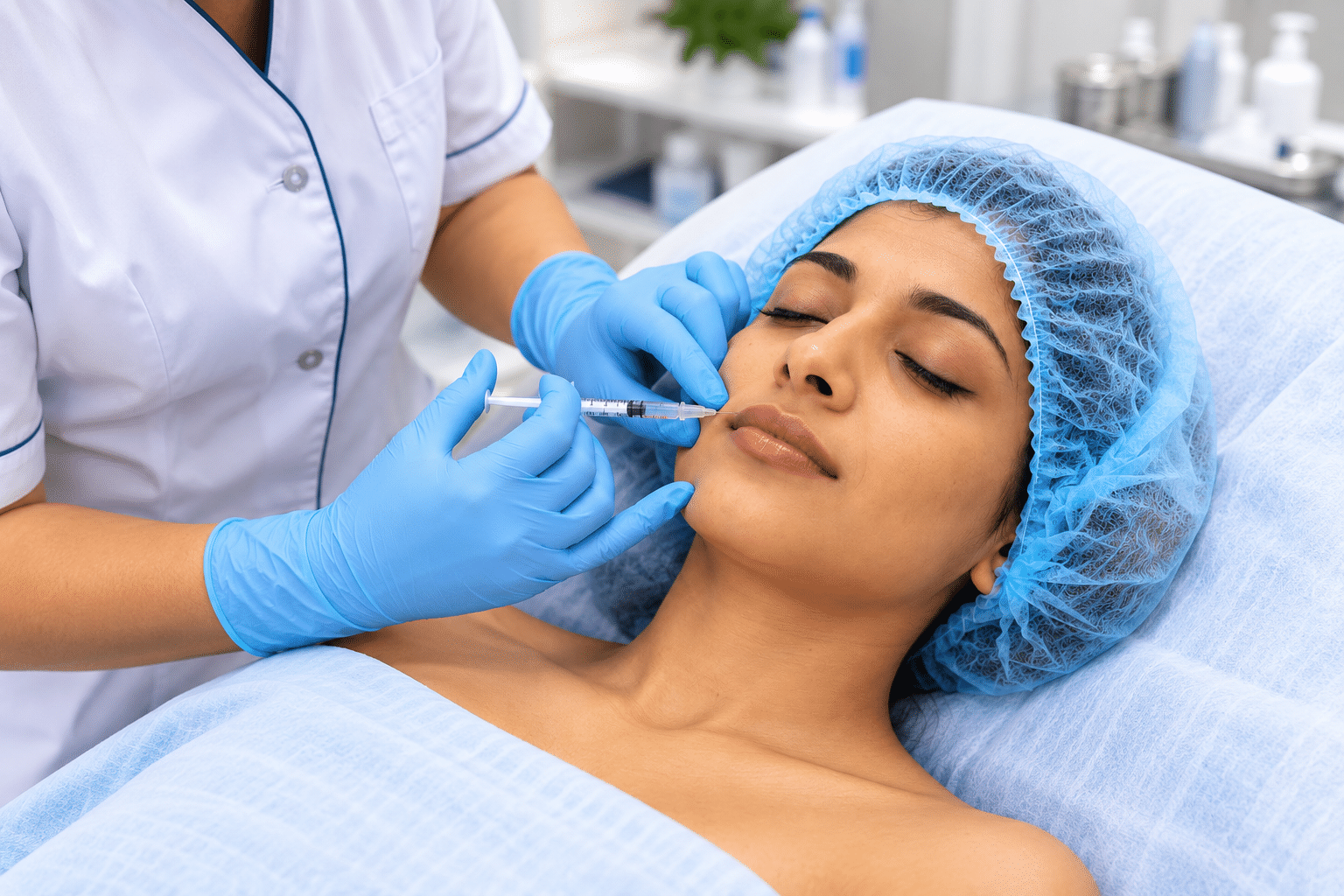
Skin boosters may be considered for:
Research on injectable hyaluronic-acid skin boosters has reported improvements in measures such as hydration, radiance, texture and some aspects of skin quality, although results vary between products and individuals.
Unlike traditional dermal fillers, which are primarily used to restore volume or enhance facial contours, skin boosters are generally placed more superficially to improve the quality and hydration of the skin.
For example, hyaluronic acid can bind water within the skin, while some formulations are designed to support other aspects of skin rejuvenation. The exact mechanism and expected results depend on the ingredients used.
Skin Boosters:
Primarily focus on hydration, texture, radiance and skin quality.
Dermal Fillers:
Primarily focus on restoring or adding volume, enhancing contours and supporting specific facial structures.
The two treatments have different purposes, although certain injectable products can overlap in their ingredients and applications.
At Pure Derma, skin rejuvenation begins with understanding your skin, not simply choosing an injectable.
Your dermatologist evaluates your skin condition, concerns and goals before selecting the appropriate formulation and treatment approach. The aim is to enhance your natural skin quality while keeping the treatment personalised and clinically guided.
No. Skin boosters are generally intended to improve skin hydration and quality, while dermal fillers are primarily used to add volume or enhance facial contours. Some products may have overlapping ingredients, so the distinction depends partly on the formulation and how it is used.
Formulations vary. They may contain hyaluronic acid, amino acids, vitamins, peptides, polynucleotides or other bioactive ingredients. Your dermatologist can recommend a formulation according to your skin concerns.
They may be considered when dehydration is contributing to a dry or dull appearance. Injectable hyaluronic acid has been studied for improving skin hydration.
They may improve hydration and radiance, which can contribute to a fresher, healthier-looking appearance. The degree of improvement varies from person to person.
Generally, skin boosters are designed to improve skin quality rather than create the structural volume associated with traditional dermal fillers.
Some patients notice improvements in hydration or skin appearance after treatment, while results may develop progressively depending on the formulation and treatment protocol.
The number of sessions depends on the product used, your skin condition and your treatment goals. Some protocols involve a series of treatments followed by maintenance sessions.
There is no single duration for all skin boosters. Longevity depends on the formulation, treatment area, number of sessions and individual response.
You may experience brief pinching or mild discomfort during the injections. Numbing measures can be used when appropriate.
Most people experience limited downtime, but temporary redness, swelling, tenderness or small bumps can occur around injection sites. These generally settle with time.
Certain products and techniques may be considered for selected areas around the eyes, but this is a delicate treatment area. Suitability should be determined by a qualified medical professional after assessment.
Skin boosters are not primarily an acne-scar treatment. Depending on the type and severity of scarring, your dermatologist may recommend treatments such as microneedling, MNRF, laser procedures or combination therapy instead.
They may be combined with other dermatological or aesthetic treatments when clinically appropriate. The timing and combination should be decided by your dermatologist based on your skin and treatment plan.
Skin boosters are medical injectable procedures and can have side effects or complications. Temporary reactions such as swelling and bruising are possible, while uncommon complications can occur depending on the product and injection technique. Proper product selection and professional administration are important.
A consultation is the best starting point. Your dermatologist can assess your skin, discuss your concerns and determine whether a skin booster, another treatment or a combination approach would be appropriate.
Give your skin a personalised boost with dermatologist-guided skin rejuvenation at Pure Derma
Disclaimer: Skin boosters are medical injectable treatments. Results vary depending on the product, treatment area and individual response. Treatment should be performed following appropriate clinical assessment by a qualified medical professional.
